

Congratulations to 2026 Postdoctoral Development Grant Awardees!

Postdoctoral Affairs is delighted to announce the recipients of the 2025 Postdoctoral Research Development Grants (PRDGs).
PRDGs were established to support University of Arizona postdoctoral scholars in developing independent research skills to advance their career goals. The awardees will go on to conduct an independent research project (New Project PRDG) or to undertake additional training specific to their field (New Skills PRDG). Congratulations!
Applications for either the New Project or New Skills Training PRDGs are accepted annually. The new award cycle begins in 2026, with the application portal opening in March. Click here for more information.
New Project PRDG Recipients

Dr. Ugur Kilic, MD, PhD, is a postdoctoral researcher in the Department of Neurosurgery at the University of Arizona, working under the mentorship of Dr. Julie Pilitsis. She received her MD from Koç University in Istanbul, Turkey, and her PhD from KU Leuven, Belgium. Dr. Kilic’s research focuses on neuromodulation and the development of ultrasound-based therapies for neurological disorders and pain management. Her current work investigates combining therapeutic ultrasound with other neuromodulation modalities to improve treatment outcomes and is supported by the American Heart Association (AHA) Postdoctoral Research Fellowship grant.
Project: Mechanistic fMRI Investigation of Dual Ultrasound–Magnetic Stimulation Therapy in Post-Stroke Pain
This project investigates a novel non-invasive therapy for post-stroke pain by combining therapeutic ultrasound and magnetic stimulation to modulate brain activity. Using a rat model and functional magnetic resonance imaging (fMRI), Dr. Kilic studies how this dual-modality approach alters communication between pain-related brain regions. The goal is to better understand the mechanisms underlying treatment effects and support the development of safer therapies for chronic neurological pain.

Dr. Kamila Murawska-Wlodarczyk studies plant-soil-microbe interactions and ecosystem recovery in metal-contaminated drylands. Her research focuses on stress-tolerant and metal-hyperaccumulating plants - species capable of accumulating exceptionally high concentrations of metals - and their associated microbiomes in extreme environments. She combines plant experiments, microbiome analyses, metabolomics, and advanced imaging approaches to investigate mechanisms of stress tolerance, metal cycling, and long-term restoration of legacy mine sites. She is passionate about interdisciplinary collaboration, mentoring students, and developing sustainable strategies for environmental restoration.
Project: Selenium hyperaccumulation in Astragalus: Drivers of variation across natural populations
This project explores rare desert plants in Arizona that can naturally accumulate extraordinary concentrations of selenium - a trace element that is essential in small amounts but toxic at elevated levels. Through field surveys across selenium-rich landscapes in the southwestern United States, plant and soil samples will be collected to identify populations with exceptional selenium accumulation capacity. By investigating how these plants tolerate and regulate selenium uptake, this work aims to uncover an overlooked natural potential within desert ecosystems that could support future environmental restoration, remediation of selenium-contaminated soils, and sustainable recovery of critical elements from degraded landscapes.
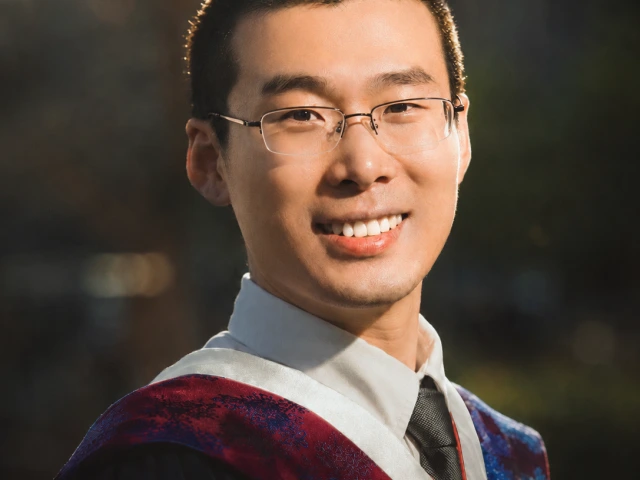
Dr. Yu's work focuses on how lung-derived molecules regulate immune cell function during severe viral infections. Building on his training in antiviral immune responses, Dr. Yu investigates novel mechanisms that bridge innate and adaptive immunity to strengthen immune defense while limiting harmful viral sepsis. His long-term goal is to define novel innate-adaptive immune pathways and develop broad-spectrum host-directed therapies for viral sepsis, including SARS-CoV-2, MERS, and highly pathogenic influenza.
Project: Fueling the Hunters: Innate Mucosal Molecule CC16 as a “Battery Charger” for T-cell Defense Against Influenza, MERS, and SARS-CoV-2
Respiratory viruses such as influenza and SARS-CoV-2 can weaken the immune system by exhausting T-cells, the body’s key virus-fighting cells. This project studies how natural protective signals from the lungs regulate both innate immunity and T-cell adaptive immunity during severe infection. Dr. Yu is dedicated to defining how the lungs orchestrate innate and adaptive immune responses throughout the progression of severe respiratory viral infections. He also seeks to uncover host mechanisms that coordinate T-cell antiviral defense, sustain and activate immune cell fitness, and prevent the progression to viral sepsis.

Dr. Abhilasha Vishwanath is an NIH T32 Postdoctoral fellow at the Department of Psychology. She is currently working in the Human Spatial Cognition lab with Dr. Arne Ekstrom. Her current work spans understanding spatial memory, navigational strategies, age-related differences in these abilities, and using computational models to predict human navigational behavior. She earned her Ph.D in Psychology, with a minor in neuroscience, at the University of Arizona under Dr. Stephen Cowen. Her graduate work was in neural systems and pre-clinical models of Parkinson's Disease. She has extensive experience in electrophysiology, motor systems, neural data analysis, human and animal behavior.
Project: Interdependence of spatial perception and movement kinematics in Parkinson's disease on a translational rope-pulling task
Parkinson’s disease (PD) is currently the second most common neurodegenerative disorder that affects over 6 million people worldwide. It presents debilitating motor (slowness, rigidity) and cognitive (spatial perception, dementia) symptoms that adversely affect everyday activities and quality of life in these individuals. However, the relationship between motor and cognitive symptoms are less well understood in PD. Dr. Vishwanath will develop a translational rope-pulling task that engages upper-extremity movements and spatial distance perception in patients. Using computational modeling, the relationship between movement kinematics and memory of rope distance will be quantified in PD, which will inform novel and complementary therapeutic avenues.

Dr. Anne-Lise Boyer is a Postdoctoral Research Associate in the School of Landscape Architecture and Planning at the Climate Assessment for the Southwest (CLIMAS), University of Arizona. Her research focuses on climate change adaptation and extreme heat resilience in the U.S. Southwest, with attention to rural, Tribal, and border communities. She bridges climate science and planning to inform equitable adaptation strategies. She was recruited as an Assistant Research Professor on same day she received her grant.
Project: Rural Heat Resilience in Southern Arizona: Understanding Local Responses and Strategies
Dr. Boyer's project examines how rural communities in Southern Arizona manage extreme heat in the summer with limited resources. During a research stay in Ajo - a small, geographically isolated town in Pima County - she will conduct in-person interviews and observations with county officials, emergency managers, nonprofit organizations, public health workers, and community leaders. By engaging directly on the ground, she can reach people and perspectives that remote methods (e.g., previous survey and Zoom interviews) often miss. Findings will inform planning strategies and help support future research on heat resilience in underserved rural communities across the U.S. Southwest.

Dr. Fujiang Ji is a Postdoctoral Research Associate at the University of Arizona, where he works with Professor William Smith on NASA’s EMIT project. His research uses hyperspectral and multi-scale remote sensing to study dryland plant and soil communities, with a particular focus on mapping biological soil crust cover, composition, and function across global drylands. He received his Ph.D. in Forest and Wildlife Ecology from the University of Wisconsin–Madison, where he focused on plant functional trait estimation using hyperspectral imaging and multi-source remote sensing data fusion with deep learning. He also holds a master’s degree from the Chinese Academy of Sciences and a bachelor’s degree from Chengdu University of Technology.
Project: Assessing forest functional strategies under climate gradients with remote sensing and trait-based modeling
Dr. Ji will develop a scalable remote-sensing framework to map plant functional traits, such as leaf nitrogen, chlorophyll, and water content, across forests. These traits provide insight into how plants balance growth and stress tolerance. Using field measurements together with airborne and satellite imaging, he will identify major forest functional strategies and examine how they vary across environmental gradients and change following disturbances such as wildfire and drought.
Aems Emswiler, PhD
Project: Funding Memory, Conceptualizing Community: Foundations, Universities, and Community Archives
New Skills PRDG Recipients

Mitchell J. Bartlett, PhD
Dr. Mitchell J. Bartlett is a translational neuroscientist whose research focuses on developing novel therapies for neurodegenerative diseases. He earned his PhD under the mentorship of Dr. Torsten Falk, where he investigated sub-anesthetic ketamine as a treatment for levodopa-induced dyskinesia in Parkinson’s disease. This work exemplified bench-to-bedside translational research and helped lay the foundation for ongoing clinical trials. Now, under the guidance of Dr. Marlys H. Witte, his current research explores how aging and neurodegenerative diseases affect lymphatic function and evaluates both non-invasive and surgical lymphatic-based therapies for Alzheimer’s disease.
Training: Developing supermicrosurgery as a novel therapy for neurological disease
I will pursue advanced supermicrosurgery training at the Cleveland Clinic. This training will be focused on lymphaticovenous anastomosis (LVA), a procedure that reroutes lymphatic fluid into nearby veins to improve drainage. This training will provide the specialized surgical skills needed to investigate whether restoring lymphatic function can help clear harmful proteins that accumulate in Alzheimer’s disease. The experience will support the development of innovative therapies that target the body’s lymphatic system and accelerate the translation of laboratory discoveries into potential treatments for patients.

Elke Zeller, PhD
Dr. Elke Zeller is a climate scientist and postdoctoral researcher in Dr. Jessica Tierney's paleoclimatology lab at the University of Arizona. Her work focuses on the complex interactions between vegetation, climate, and ecosystems. Currently, she is investigating how global vegetation influenced past warm climates, periods that can give us clues about our future climate. Elke’s PhD work focused on how early humans adapted to shifting climate and ecosystems over time. This type of research fundamentally relies on the integration of climate model output with archeological and proxy data.
Training: Expanding my Interdisciplinary Toolkit: Advanced Training in ZooMS, aDNA, and Radiometric Calibration
For her PRDG grant Elke will be visiting Dr. Thomas Higham's lab in Vienna to learn a range of bone analysis techniques. Elke will learn to extract collagen from bones and analyze it using radiocarbon dating and a technique called ZooMS that can identify hominin species from fragmentary remains. In addition, she will receive training in ancient DNA (aDNA) analysis and radiocarbon calibration of archeological data. This training will allow her to better incorporate archeological data into her human evolution analysis and climate modeling studies.

Yeonjin Baek, PhD
Dr. Yeonjin Baek is a Postdoctoral Researcher in the Department of Aerospace and Mechanical Engineering at the University of Arizona. She is a materials scientist specializing in two-dimensional transition metal carbides and nitrides, known as MXenes, for next-generation energy storage technologies. Her research focuses on understanding how synthesis, interlayer chemistry, defects, and nanoscale structure influence electrochemical performance in batteries, supercapacitors, and related electrochemical systems. Dr. Baek earned her Ph.D. in Materials Engineering from Auburn University, where she investigated the role of cation intercalation, confined water, and interlayer structure in MXene-based energy storage materials. At the University of Arizona, she is expanding this work by developing rapid and scalable synthesis and processing strategies, including Rapid Joule Heating and electrochemical etching, to produce MXene-related materials with controlled structures and improved performance. Her current research aims to establish direct structure–property relationships that can guide the design of advanced electrode materials for sustainable energy storage.
Training: Direct Nanoscale Verification of Flash Joule Heated MAX Phases and Derived MXenes Using FIB-TEM
As demand for electric vehicles, renewable energy systems, and portable electronics continues to grow, there is an urgent need for efficient, stable, and scalable energy storage materials. MXenes are promising candidates for these applications, but their performance strongly depends on nanoscale and atomic-scale features such as layer arrangement, defects, interfaces, and elemental distribution, which are difficult to fully evaluate using conventional characterization methods. With New Skills PRDG funding, Dr. Baek will receive hands-on training in focused ion beam and transmission electron microscopy at the Lunar and Planetary Laboratory. This training will allow her to prepare precise cross-sectional samples and directly visualize the internal structure of layered MXene-related materials at the nanoscale and atomic scale. This capability is particularly important for emerging MXene systems, including high-entropy MXenes and layered MXenes with complex compositions, where atomic-level structural verification is essential for confirming phase formation, elemental distribution, defect structures, and layer integrity. By applying these techniques to materials produced via novel, more environmentally friendly synthesis methods, including Rapid Joule Heating and electrochemical etching, Dr. Baek will be able to directly compare these materials with conventionally synthesized counterparts and determine how processing conditions affect their structural integrity and electrochemical performance. These new skills will enhance her capability to design advanced energy storage materials using direct structural evidence, supporting her long-term aim of leading an independent research program focused on structure-driven materials design.

Darpan Raghav, PhD
Dr. Darpan Raghav is a Postdoctoral Research Associate in the Tomasiak Lab, Department of Chemistry and Biochemistry. Trained as a structural biochemist and biophysicist, Darpan uses cryo-EM to determine the structures of membrane transporters driving drug resistance in human pathogens. He also investigates the mechanisms by which key membrane proteins or their pathogenic variants contribute to human health and disease. Darpan earned his Ph.D. from the National Institute of Technology Calicut, India, and held postdoctoral positions at IIT Bombay and Wake Forest University before joining the University of Arizona. Outside the lab, Darpan enjoys road trips, hiking, and watching cricket.
Training: Advanced Cryo-EM Operational Workflows: A Technical Framework for Elucidating Fungal Multidrug Resistance Mechanisms
Darpan is planning on using the New Skills PRDG funds for getting trained on operating the cryogenic electron microscope for single particle analysis by attending the data collection workshop at the Pacific Northwest Center for Cryo-EM (PNCC). With this opportunity, Darpan is looking forward to mastering sophisticated data collection workflows by getting advanced hands-on training. The proposed training would strengthen Darpan's technical proficiency in handling this instrument and enable him to independently advance projects aimed at determining high-resolution structures of membrane transporters critical to human health and disease.

Avery Bailey, PhD
Dr. Avery Bailey is a postdoctoral researcher in the Theory and Computation Group at Steward Observatory. He earned a bachelor's degree from the University of Virginia and a doctorate from Princeton University. His research is concerned with applying the physics of fluids and radiative transfer to answer unresolved questions surrounding the processes by which planets form. To this end, he leverages modern computational frameworks and supercomputing resources to run high-fidelity simulations of planets in their infant stages.
Training: From CPU to GPU Computing: Advancing The Study of Planet Formation
Dr. Bailey will undertake training in modern GPU programming tools and techniques for astrophysical fluid dynamics. GPU-based computing can dramatically increase the speed and scale of simulations, enabling new types of scientific questions to be addressed. Dr. Bailey plans to leverage these tools to extend his CPU-based planet formation simulations with more complex physics and run them on emerging computing architectures.